Travel often feels like a balancing act between freedom and safety, adventure and restraint. The best trips I’ve taken happened when the plan was light enough to bend, firm enough to keep me out of trouble, and guided by a few simple principles rather than a rigid itinerary. Minimal planning isn’t about winging it blindly. It’s about building a framework that unlocks spontaneity while preserving momentum, comfort, and a sense that you’re actually seeing the places you came to see. Over the years I have learned that the most satisfying trips arrive when you lean into what travel online guides do best—curated context, practical wisdom, and a sense of a place that you can feel in your bones—without letting a guidebook’s schedule squeeze the life out of your journey.
In this piece I’ll share the mindset, the habits, and the small tactics that translate into big experiences. You’ll find concrete examples, concrete numbers you can rely on, and a few trade offs you may not anticipate. If you want to travel with more freedom while still keeping a thread of direction, this is for you.
A mindset that makes minimal planning possible
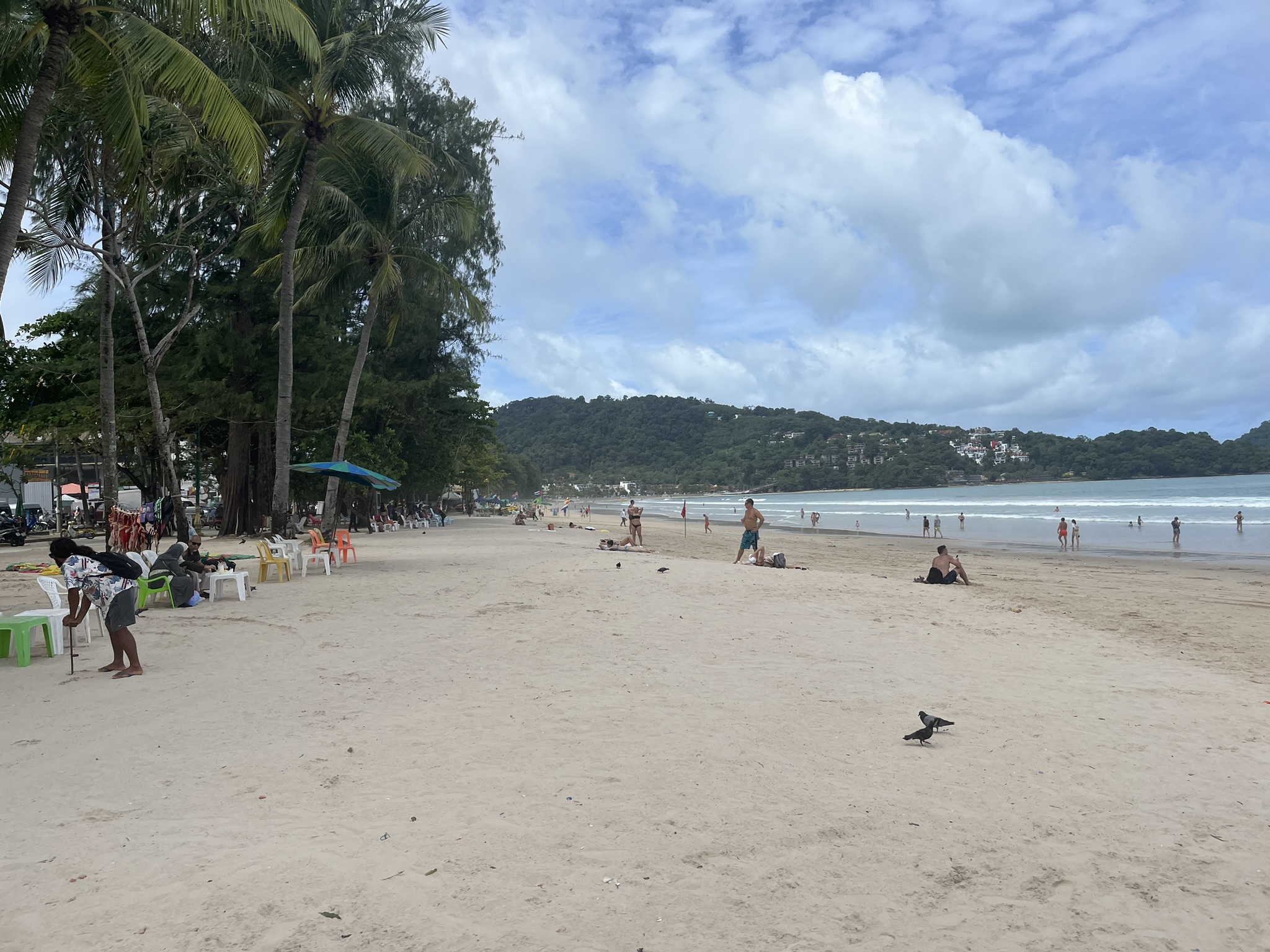
The first thing to acknowledge is that minimal planning is not a lazy approach. It’s a deliberate choice rooted in patience, curiosity, and the willingness to adapt. When I started traveling with less structure, I learned to treat each day as a conversation with the city rather than a script to follow. I would set a loose expectation of where I might end up, then respond to what the city offered up in real time. The result was that I stopped craving certainty and started craving texture—neighborhood textures, café conversations, the feel of a tram rattling over old rails, a street market at dusk.
One practical shift is to move from fixed times and places to flexible windows. If you are visiting a city for three days, give yourself permission to skip one major site if a small detail pulls you in elsewhere. It might be a bakery that makes the best rye in town, a riverfront with a quiet evening breeze, or a friend you happen to meet who offers a cup of tea and a pearl of local wisdom. The point is not to waste time, but to be self-aware about how you spend it. Your energy is finite. Guard it by choosing what gives you the richest impressions rather than what looks best in a guidebook photo.
Another cornerstone is a light hardware and data setup. A single unlocked phone with eSIM capability, a compact wallet that holds essential documents, a credit card with no international fees, and a small charger pack—these are the bones of a trip that can bend without breaking. In some regions data is abundant and inexpensive; in others it’s costly or sketchy. Knowing you can instantly pull up a map, translate a sign, or hail a ride reduces friction and keeps your options open. If you carry a notebook, a tiny notebook is enough. The act of writing a few lines about a place or a person can anchor memories in a way that photos alone cannot.
A loose but useful framework helps you stay productive without being rigid. Think of three pillars: where you are going, the pace you want, and how you want to feel. Where you are going is, in practice, a rough corridor rather than a straight line. The pace can be a mix of brisk days and slower afternoons that let you observe, listen, and reflect. How you want to feel is the most personal pillar of all. Some travelers chase adrenaline—long days of hiking, back-to-back museums, late-night jazz. Others seek ease—short tram rides, quiet parks, and conversations with locals over coffee. You may be somewhere in the middle, a blend of curiosity and comfort. A clear sense of your preferred feel becomes your compass when you stumble upon a tempting side street or a once-in-a-trip opportunity.
Where to start when you are ready to travel with minimal planning
Begin with a destination approach that emphasizes neighborhood scale rather than grand landmarks. In practice this means choosing cities or regions where neighborhoods are walkable, where you can mix a few strong meals with a couple of compelling cultural moments, and where transport links are reliable but not overbearing. For instance, a two-city split can offer a satisfying arc without the stress of constant transit planning. A week in a vibrant European capital followed by three days in a nearby smaller town creates contrasts—busier streets and a simpler rhythm, both feeding your appetite for discovery.
When I planned a week in Lisbon and a quick train ride to nearby Sintra, I allowed myself the luxury of wandering. I booked a central hotel in Lisbon and left the rest unstructured. I did not reserve every meal or every museum slot. Instead I mapped a few visual anchors—Miradouro de Santa Luzia for the sunset, a couple of well-regarded pastelarias, a tram ride through the historic quarters—and I followed my feet the rest of the time. The result was a trip where my days curved toward beauty and surprise rather than toward a parchment of reservations.
A guideline that helps many travelers is to choose one benchmark activity per day and let everything else emerge from there. The benchmark could be a museum, a scenic lookout, a neighborhood walk, or a local cooking class. If you know you want to see one art exhibit, one park, and one market, you create a rhythm that invites discovery without naming every minute. This keeps your itinerary lean while ensuring you touch the things you care about.
Practical moves that reduce friction
The blunt truth is that some planning does pay dividends, especially if you are traveling on a tighter schedule or in regions where logistics can be a snag. Here are practical moves that commonly yield dividends without collapsing your sense of spontaneity.

First, secure essential reservations only where they matter most. For me that usually means arrival transit, a place to stay with a strong neighborhood vibe, and one or two must-do experiences that would be hard to improvise on the day. The rest can be left flexible. If you are visiting a popular destination during peak travel periods, a small amount of pre-booking saves time and reduces stress. But the goal is to keep the rest loose enough that you can pivot if a better opportunity appears.
Second, use a single, durable map system. Google Maps works well for many travelers, but you can also rely on a local transit app or a paper map as a backup in case you encounter a dead zone. The idea is to have a confidence layer you can rely on when you are tired, not a maze of competing apps that drain your brain. I carry a compact foldable city map for a few places, and I keep the digital map as the primary tool when I need to navigate between neighborhoods.
Third, let food be a guide and a buffer. Food is a safe way to explore a place without a checklist. You can wander, duck into a neighborhood joint because a line forms, try a dish that locals praise, and collect a memory you cannot obtain from a museum. A good strategy is to let two meals a day anchor your day, and then remain open to the rest. The third meal becomes a variable, subject to energy and appetite. If you find a place where the cooks know your appetite even before you order, you have found a thread that could lead you into other experiences alongside it.
Fourth, embrace the art of social curiosity. Strike up conversations with locals if you are comfortable doing so, or with fellow travelers who share a mode of exploration that resembles yours. Small exchanges can yield pointers to local markets, a route that avoids crowds, or a hidden courtyard that only the residents know. In some cities I have learned more from a ten-minute chat with a barista or a taxi driver than from a guidebook.
Fifth, stay ready for the unexpected. If a festival, a closure, or a weather event interrupts your plan, have a plan B that keeps you in the energy of travel rather than parked in a hotel room. The best moves often come after a detour. I have learned to keep a flexible day with a couple of options: a cultural activity that can be swapped for another if a location is crowded, or a scenic route that can be shortened if the weather turns. The trick is not to eliminate risk but to minimize the impact of risk on your enjoyment.
The value of days with nothing on the calendar
The quiet days are sometimes the most valuable. When you have time that isn’t booked, you metabolize a place in a different way. You notice textures you would have missed while rushing from one known site to the next. On one trip I spent an entire morning wandering the lanes near a riverfront, stopping in a bakery where the scent of roasted coffee mingled with warm bread, listening to a grandmother speaking softly with a child about school. It wasn’t a highlight reel moment by a guidebook standard, but it was a memory that sits deeper in my mind than most of the formal experiences. That is the essence of minimal planning—space to absorb a place without the constant squeeze of the agenda.
The role of travel guides in a minimal planning approach
Travel online guides are a resource, not a rulebook. They are best used as a starting point to understand what is possible rather than a fixed plan you must follow. The value lies in shaping expectations and surfacing a few vetted options that align with your vibe. A good guide will offer context about neighborhoods, a sense of local rhythms, practical tips for transit and safety, and a handful of venues that consistently deliver. But the moment you feel bound to a list or constrained by a schedule, you have drifted away from minimal planning into something closer to traditional travel planning.
If you do consult guides, use them as a means to identify one or two anchor experiences per day and a handful of neighborhood coordinates you want to explore. Then let your feet and your mood fill in the gaps. One rule of mine is to cross-check a highly recommended place with a more modest option. If a top-rated restaurant has a long wait, I will wander to a nearby bistro that looks lively and serves similar flavors. The difference might be a more intimate setting and a surprisingly good dish that becomes a memory rather than a bragging point.
Edge cases and expectations you should consider
Minimal planning works best in certain contexts and can be more challenging in others. In very large and heavily touristed destinations, the gap between a top site and an offbeat moment can be significant. A city with reliable, fast transit and plentiful local life offers what you need to improvise without feeling stranded. Alaska in winter, for instance, demands a different approach. Weather is less predictable, daylight hours are shorter, and some services are limited. On the other hand, the same region in summer offers daylight that lasts until late evening, which creates natural windows for flexible days. The key is to acknowledge the constraints of the moment and design your plan around them rather than against them.
If you are traveling with someone who expects a structured experience, you can still maintain a minimalist mindset. Propose a shared principle rather than a strict itinerary. For example, agree that each day will include one intentional activity and two hours for free exploration. The rest will emerge from the city itself. If your travel partner loves museums but you prefer street-level discovery, you can align on a central, shared anchor and then give space to each other’s passions in the margins.
One more practical consideration is safety. Minimal planning should not come at the expense of caution. Always know how you will get back to your lodging at night, what neighborhoods to avoid after dark, and where you can find reliable help if needed. Make it a habit to share your location with a trusted contact, especially if you are moving between neighborhoods or traveling solo. This step is not heavy-handed; it is a simple precaution that makes spontaneous days safer and more enjoyable.
Two pocket checklists you can use on the ground
I will share two small checklists that have proven their value in real trips. They are short enough to memorize, but practical enough to be real tools rather than mental quizzes.
First, the morning flow that keeps you moving without friction. In the morning, after you wake, confirm your lodging location, a rough route for the day, and a single anchor you want to see. Then choose two optional diversions that would be nice but not critical. If you pick one of those diversions, great; if not, you still begin the day without pressure. If you have a preferred breakfast spot, start there, and let your day unfold around it. Do not overfill the morning with tasks; give yourself permission to be surprised.
Second, the evening wind-down that preserves the day’s memory. At night, review three notes on what you experienced that day. Note a person you met, a dish you enjoyed, or a moment that surprised you. Write a couple of lines about how you would like to shape the next day. Then pick a single activity for the next day that you can anchor on and leave the rest open. This routine keeps your mind engaged with the day’s texture and primes you for a rich morning without the pressure of a tight plan.
The balance of risk and reward
Minimal planning is a practical act of risk management, not a reckless preference for chaos. The risk you carry is the potential for weather to disrupt, trains to delay, or a popular spot to be crowded beyond reason. The reward is the chance to be present, to notice, and to experience a place as if you were slipping into its rhythms rather than forcing your own. For travelers who crave authentic moments, that is where the magic lives.
I have had days that began with headachy crowds and ended with the most luminous conversation with a local artist who gave me a painting tip and a tiny sketch of the city’s soul. I have also had evenings where I chased a museum closure and discovered a quiet riverbank with a friend I met in line for coffee. The unpredictability is not a bug; it is a feature when you have the right attitude and the right tools to keep moving.
A final note on how this approach interacts with the rest of your life
Travel with minimal planning is a form of mental hygiene as much as a travel method. It teaches you to value curiosity over certainty and to trust your senses more than your schedule. It trains you to read rooms and streets with a certain humility, accepting that a city will unfold in its own time and that your job is to respond with care rather than to conquer. This mindset translates to everyday life in small but meaningful ways. When you are in a hurry, you pause and consider your options before you rush to a conclusion. When you are tired, you choose a nearby option that allows you to rest without compromising your sense of place. When you are curious, you give yourself permission to step off the beaten path and risk a little discomfort for the sake of a richer experience.
There is no single blueprint for how to travel with minimal planning. The art lies in cultivating a flexible readiness, learning to read a place as it reveals itself, and keeping a few guardrails that protect you from true mishaps while leaving maximum space for wonder. The best trips I have had were not the ones where every box was checked, but the ones where the day’s energy carried me toward something I could not have planned in advance. It is a paradox, but one that travels well: the more you plan to abandon the plan, the more you find the places you never knew you would love.
Two sets of quick references you can carry with you
If you want a compact mental map to rely on, here are two quick-reference ideas that you can bring into your trip.
- The anchor-one rule. Each day has one anchor activity plus room for wandering. The anchor keeps you tethered to a meaningful experience without turning the day into a checklist. It might be a museum ticket, a neighborhood stroll, or a light hike—whatever aligns with your energy and destination. The beauty of this rule is that it preserves structure while still inviting exploration. The open door principle. If you see a doorway that invites curiosity, walk through it. It might lead to a café with a quiet courtyard, a small gallery, or a workshop where locals share a craft. The open door principle is about allowing a moment to become a memory instead of letting a moment slip away because you expected something else.
In the end, minimal planning is not about avoiding structure altogether. It is about exploring with intention and leaving space for the world to respond to you. The most memorable experiences are not written in a travel plan; they emerge from the friction between expectation and reality, https://notriptoofar.com/about/ from the bravery to say yes to a side street, and from the patience to linger where a place seems to breathe a little easier.
If you adopt these ideas, you may find that the best guides to travelling are not the glossy pages on a shelf but the quiet conversations you have with locals, the small discoveries you stumble upon between major sights, and the sense that you are moving through a city with the respect and curiosity of a guest who wants to understand more than just what is famous. You will, in time, accumulate a library of moments that no schedule could guarantee, and that is the true reward of traveling with minimal planning.